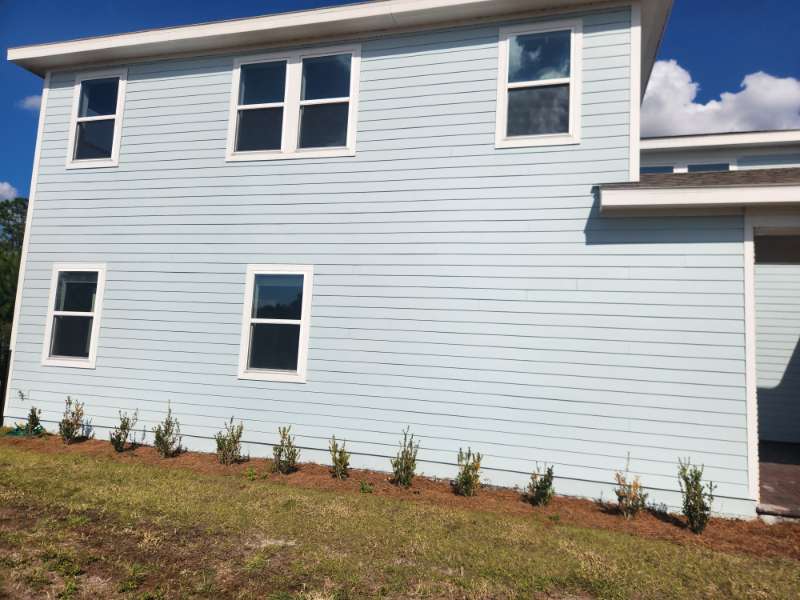
Living in Central Florida means enjoying beautiful weather year-round, but it also means dealing with high humidity, intense sun, and the occasional hurricane season. That combination creates the perfect breeding ground for green algae, mold, and mildew on your home’s exterior.
If you have noticed your driveway looking a bit dark or your siding turning a shade of green, you're not alone. This buildup hurts your curb appeal and can actually damage your paint and stucco over time. While many homeowners reach for a garden hose, sometimes that just isn't enough power to get the job done.
That is where residential pressure washing comes into play. It is a highly effective way to blast away years of grime and restore your home’s shine. But before you start spraying, you need to know the right way to handle the equipment to avoid damaging your property.
What equipment do you actually need?
You can’t just point and shoot with a pressure washer. Understanding your tool is the difference between a clean driveway and a destroyed one. The main components are the engine (gas or electric), the pump (which pressurizes the water), the hose, and the nozzle.
For most homeowners in neighborhoods like Winter Park or Dr. Phillips, the choice comes down to gas versus electric. Electric washers are quieter, lighter, and generally sufficient for washing cars or light furniture cleaning. However, if you're tackling a large concrete driveway or significant buildup on a fence, a gas-powered unit provides the necessary PSI (pounds per square inch) to get the job done faster.
The nozzle is arguably the most critical part. They usually come color-coded:
- Red (0 degrees): A laser-focused stream. Avoid using this on your home; it can cut through wood and shatter concrete.
- Yellow (15 degrees): Heavy-duty stripping.
- Green (25 degrees): General lifting and cleaning.
- White (40 degrees): Gentle cleaning for fragile surfaces.
How do you stay safe while cleaning?
Did you know that water pressure from these machines is strong enough to break the skin? Safety is not optional here. Never wear flip-flops, even if it's 95 degrees outside. Always wear closed-toe shoes, safety glasses to protect against flying debris, and gloves.
You also need to protect your landscape. Florida plants are sensitive. Before you start pressure washing in Orlando Florida, wet down your plants and grass surrounding the work area. If the plants are already saturated with clean water, they are less likely to soak up any runoff from cleaning detergents.
Finally, prep the house itself. Cover any outdoor electrical outlets, close all windows tightly, and remove loose debris like sticks or leaves from the area you plan to wash.
What is the step-by-step washing process?
Once you're suited up and your equipment is prepped, follow this logical flow to ensure an even clean without damaging your property.
1. Set up your machine
Connect your garden hose to the water inlet and the high-pressure hose to the spray gun. Turn on the water faucet fully before starting the engine. Starting the machine without water flowing can burn out the pump in seconds.
2. Apply detergent (optional but recommended)
For tough stains or heavy algae, water alone might not work. Apply a cleaning solution using a low-pressure setting or a soap nozzle (usually black). Let it sit for 5 to 10 minutes to break down the grime, but do not let it dry on the surface.
3. Start washing
Switch to a higher-pressure nozzle (like the green or white tip). Hold the wand about 12 to 18 inches away from the surface. If you get too close, you risk etching lines into the material.
4. Work in sections
Don't try to clean the whole driveway at once. Mental fatigue sets in quickly in the Florida heat. Work in small, manageable sections, moving the wand in a sweeping motion. Overlap your strokes slightly to avoid "tiger stripes"—those ugly lines of missed dirt that appear when the pavement dries.
5. Rinse thoroughly
Once the dirt is lifted, switch to a wide-angle nozzle to rinse the dirty water away. Rinse from the top down so you aren't pushing dirt back onto clean areas.
Which cleaning solution works best?
The "blast it off" mentality is often the wrong approach, especially for Florida homes with stucco exteriors or screen enclosures. High pressure can force water behind the stucco, leading to mold growth inside your walls.
This is why residential soft washing is often the superior choice for vertical surfaces. Soft washing uses specialized eco-friendly chemicals to kill mold and algae at the root, rather than just blasting the surface layer away. It relies on the cleaning solution rather than brute force.
If you're mixing your own solution, look for biodegradable cleaners that won't harm the local water table. Florida has a delicate ecosystem, and runoff eventually makes its way to our lakes and springs. Always follow the manufacturer's dilution ratios carefully. A solution that is too strong can strip paint or kill your lawn.
What if things go wrong?
Even with the best intentions, DIY pressure washing in Orlando Florida can run into snags.
Why is my cleaning uneven?
This usually happens because the wand tip was held at inconsistent distances from the surface. To fix streaks on a driveway, you may need to go over the area again in the opposite direction (a cross-hatch pattern).
Why does the engine keep stalling?
Check your fuel levels and your air filter. If the machine sat in your garage all winter with gas in it, the carburetor might be clogged.
Did I damage my wood deck?
If the wood looks "fuzzy" after washing, you used too much pressure and damaged the fibers. You will likely need to stand the wood down once it dries to restore a smooth finish.
How do you maintain your equipment?
A decent pressure washer is an investment. According to Consumer Reports, a reliable gas pressure washer typically costs between $300 and $600, so you want it to last more than one season.
After every use, flush the system. If you used detergents, run clean water through the chemical injector for a minute or two. Turn off the engine and squeeze the trigger to release the built-up pressure before disconnecting the hoses.
Store the machine in a dry place. In our humid climate, metal parts rust quickly. If you're storing a gas washer for more than 30 days, use a fuel stabilizer to keep the gas from going stale and gumming up the engine.
Is DIY pressure washing worth the effort?
There is a definite satisfaction in watching a dirty sidewalk turn bright white again. However, it's hard, hot, and wet work. Between renting or buying equipment, buying fuel and chemicals, and spending your entire Saturday sweating in the sun, the DIY route isn't always the most economical choice.
Plus, the risk of damage is real. Replacing a few pieces of vinyl siding or repainting a wall because you got too close with the high-pressure wand will cost significantly more than hiring a professional from the start.
Professional services not only have commercial-grade equipment that cleans faster and deeper, but they also know exactly which pressure settings to use for every specific surface found in communities like Lake Nona and Avalon Park. Whether it’s a delicate pool deck or a sturdy concrete driveway, knowing the difference matters.
For homeowners who want the results without the risk and hassle of DIY pressure washing in Orlando Florida, we are here to help.
Contact ABC Pressure Wash Me, LLC Today
Ready to see your home sparkle without lifting a finger? Call the local experts at ABC Pressure Wash Me, LLC at (407) 725-2080. We treat your home with the care it deserves.
