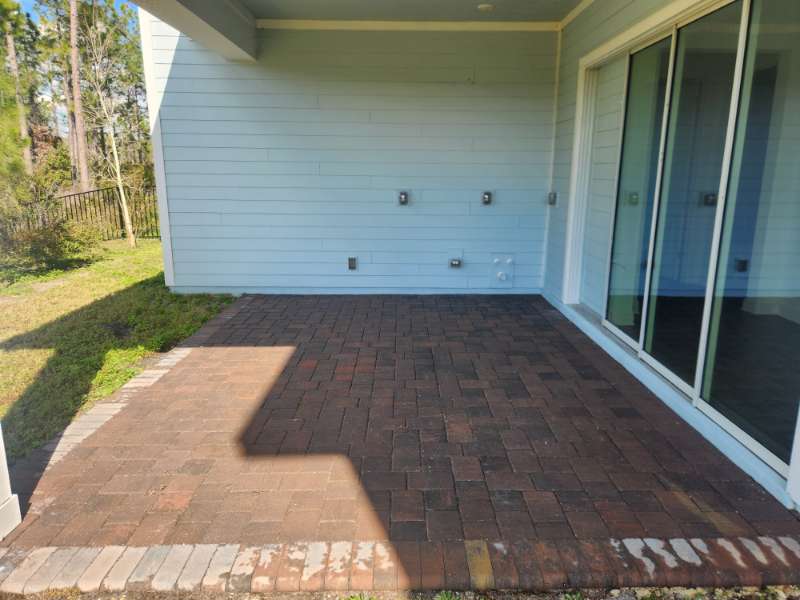
If you’ve driven down I-4 lately or cruised through neighborhoods like Lake Nona, you’ve probably noticed how quickly the Florida humidity turns bright, clean homes into shades of green and gray. Algae and mildew love our climate just as much as we do. When the exterior of your home starts looking a bit dingy, the first thought is often, "I can just rent a machine and do this myself, right?"
While DIY home improvement can be rewarding, pressure washing isn't as straightforward as mowing the lawn or painting a bedroom. It involves high-powered machinery, specific chemical mixes, and a fair amount of risk to both you and your property.
Is DIY Pressure Washing Right for You?
Before you head to the hardware store, you need to assess what you're actually cleaning. Not all surfaces are created equal, and blasting them with water isn't always the answer.
What is your home made of?
Florida homes have diverse exteriors. Stucco, which is incredibly common in Orlando, is porous and can be easily damaged by high pressure. Vinyl siding can crack or trap water behind the panels if sprayed at the wrong angle, leading to hidden mold growth. Brick is durable but can still suffer mortar damage. If your home has delicate features or older siding, a DIY approach with a standard rental machine might cause more harm than good.
Consider the condition of your home
Take a walk around your property. Do you see cracked paint, loose siding, or crumbling stucco? Hitting these areas with a pressure stream is a recipe for disaster. You could strip paint, force water into wall cavities, or knock siding completely off the house. If your home shows signs of wear and tear, residential pressure washing requires a delicate touch that standard consumer-grade machines often lack.
The Florida Factor
Our climate is unique. The intense sun, combined with high humidity, creates specific types of organic growth that are stubborn to remove. Often, water alone won't cut it. You need the right cleaning solutions to kill the mold spores rather than just blasting the surface dirt away.
Essential Gear for the Job
If you decide to proceed, you can't just rely on a garden hose. You will need specific equipment to get the job done right and safely.
The Machine and Accessories
You’ll need a pressure washer, obviously, but pay attention to the PSI (pounds per square inch) and GPM (gallons per minute). For most house washing, you actually want lower pressure and higher water volume.
- Pressure Washer: A gas-powered unit usually offers better mobility than electric ones.
- Nozzles: These are color-coded. Never use the red (0-degree) nozzle on your house. It cuts like a laser. You will mostly use white (40-degree) or black (soap) nozzles.
- Hoses: Ensure you have enough high-pressure hoses to reach around your home without constantly moving the heavy machine.
Safety First
Pressure washers are not toys. The spray can lacerate skin in an instant.
- Eye Protection: Debris will fly everywhere. Goggles are non-negotiable.
- Closed-toe Shoes: No flip-flops! Sturdy boots are best.
- Gloves: Protect your hands from chemicals and abrasion.
Cost is a factor here. Renting a decent machine can cost between $50 and $100 per day. When you add in fuel, cleaning solutions, and safety gear, a DIY weekend might run you $150 to $200, plus your time.
How to Pressure Wash Your House (Step-by-Step)
Ready to wash? Follow this process to minimize damage and maximize curb appeal.
1. Prepare the Area
Cover delicate plants with plastic sheeting or wet them down thoroughly before and after washing (this dilutes chemicals so they don't burn the leaves). Close all windows and doors tightly. Tape over electrical outlets.
2. Mix Your Solution
Water alone rarely cleans a Florida home effectively. You’ll need a cleaning solution—often a mix of water, bleach (sodium hypochlorite), and a surfactant (soap) to help it stick.
3. Apply the Detergent
Using the black soap nozzle, apply the mixture from the bottom up. This prevents streaking. Let it dwell for 5–10 minutes. This "dwell time" kills the algae and mildew. Do not let it dry on the surface. If you're washing in the direct Orlando sun, you have to work in small sections to keep the surface wet.
4. Rinse Thoroughly
Switch to a wider spray nozzle (like the white 40-degree tip) or a low-pressure rinse setting. Rinse from the top down, letting gravity help you wash the soap and grime away. Keep the wand at least 12 inches from the surface.
5. Inspect Your Work
Once the house dries, check for missed spots. You might see "tiger stripes" if your rinsing technique wasn't even.
Common Mistakes to Avoid
Even handy homeowners make mistakes. Here are the big ones we see often:
Using Too Much Pressure
This is the #1 error. We mentioned residential soft washing earlier—this is the professional standard for a reason. High pressure forces water under the siding and destroys window seals. You want to let the chemicals do the cleaning, not the force of the water.
Neglecting the Roof
Many people try to wash their own roofs. Don't do this. Walking on a wet, soapy roof is incredibly dangerous. Plus, high pressure strips the granules off asphalt shingles, ruining your roof's lifespan.
Ignoring the Weather
In Central Florida, our afternoon storms are clockwork. Don't start a project at 2 PM in July. Also, washing in direct midday sun causes chemicals to dry too fast, leaving white, chalky residue on your siding.
When Should I Call a Pro?
Sometimes, the DIY route just isn't worth the hassle or the risk.
Lack of Time or Equipment
If you don't own a truck to transport a rental machine, or if you simply value your weekends, hiring out is a smart move. A professional crew can often finish an entire house in a few hours, whereas a homeowner might take all weekend.
Two-Story Homes
Reaching the second story of a home in Winter Park or Altamonte Springs safely is difficult without professional-grade ladders and extension wands. Working from a ladder with a specialized tool that has "kickback" is dangerous.
Stubborn Stains
Rust stains from irrigation systems or oil stains on driveways often require industrial-grade degreasers and acids that aren't available at the local hardware store.
If you're looking for pressure washing in Orlando Florida, bringing in a specialist ensures the job is done safely. Professionals carry insurance, meaning if a window breaks, you aren't paying for it out of pocket. They also have access to soft-wash systems that clean effectively with virtually no pressure, protecting your stucco and siding.
A Clean Home Without the Headache
Keeping your home exterior clean protects your investment and boosts curb appeal. While pressure washing can be a DIY task for small areas like a patio or sidewalk, washing your entire house requires patience, the right tools, and a strict adherence to safety.
If you decide the risk to your siding—or your Saturday afternoon—isn't worth it, help is available. For those stubborn stains or comprehensive house washes, contact ABC Pressure Wash Me, LLC at (407) 725-2080. We are the local experts you trust with your business and customers, serving homeowners throughout Orlando and Central Florida.
